Tag: #SmartTaxWealth

  • Check Your Tax Health Before Making Your Next Financial Move

    Check Your Tax Health Before Making Your Next Financial Move

    Most people assume their taxes are “fine” because they file every year. But filing and being tax-healthy are not the same thing.

    Small issues—missed opportunities, withholding gaps, old notices, or structural inefficiencies—tend to build quietly over time.

    That’s why we built the UCS Tax Health Engine.

    In about 5 minutes, it helps you:

    • Get clarity on your current tax position
    • Identify potential risk or inefficiency
    • Understand what (if anything) should be addressed next

    It’s informational, not a sales pitch—just a starting point for better decisions.

    👉 Check your Tax Health here:
    https://ucsinv1.com/tax-health-engine-2026

  • Tesla (TSLA): EV Leadership and Tax-Advantaged Investing

    Tesla (TSLA): EV Leadership and Tax-Advantaged Investing

    How to balance high-growth stocks with long-term, tax-efficient wealth building

    Tesla (TSLA) is no longer just an electric vehicle company—it’s a technology, energy, and data platform operating at global scale. From EV dominance and battery innovation to AI-driven autonomy and energy storage, Tesla continues to sit at the intersection of high growth and long-term disruption.

    But for smart investors, the real question isn’t just “Will Tesla grow?”

    It’s “How do I hold high-growth stocks like Tesla without giving too much of the upside away to taxes?”

    Tesla’s Growth Story—Still Intact

    Tesla remains a leader in: – Electric vehicle market share – Battery and energy storage systems – AI and autonomous driving infrastructure – Manufacturing scale and cost efficiency

    These characteristics make TSLA attractive for long-term investors—but also create tax challenges when volatility, rebalancing, or profit-taking isn’t managed correctly.

    The Hidden Risk: Taxes, Not Tesla

    Many investors lose long-term wealth not because of poor stock selection—but because of poor tax strategy.

    Common mistakes include: – Holding high-growth stocks in taxable accounts unnecessarily – Triggering capital gains through frequent trading – Ignoring tax-advantaged vehicles like Roth IRAs and retirement plans – Failing to align investments with long-term cash-flow and retirement goals

    High-growth stocks demand high-quality tax planning.

    Tax-Smart Ways to Hold Growth Stocks

    Strategic investors often: – Allocate growth assets like TSLA inside Roth IRAs when appropriate – Use tax-loss harvesting to offset volatility – Pair growth stocks with income or defensive assets for balance – Plan exits years in advance—not after gains are realized

    This is where investment strategy and tax planning must work together—not separately.

    Bridging the Wealth Gap

    Tesla represents opportunity—but opportunity without structure can widen the wealth gap instead of closing it.

    Understanding: – Where your assets sit – How they’re taxed – Whether they align with your 5-, 10-, and 20-year goals

    …is often more important than picking the next great stock.

    🔍 Take the 5-Minute Wealth Gap Check
    👉 https://ucsinv1.com/wealth-gap

    📘 Explore Smart, Tax-Efficient Wealth Strategies
    👉 https://ucsinv1.com/free-tax-wealth-guide

    🧾 Struggling with Back Taxes or IRS Pressure?
    👉https://ucsinv1.com/irs-offer-in-compromise

    Wealth isn’t just about growth. It’s about keeping what you grow.


    Wealth Done Right.
  • Feature Stock of The Day – Apple (AAPL): AI Hardware Meets Smart Tax Planning

    Feature Stock of The Day – Apple (AAPL): AI Hardware Meets Smart Tax Planning

    Feature Stock of The Day – Apple (AAPL): AI Hardware Meets Smart Tax Planning

    Updated Release Date: 11/14/2025


    Apple’s accelerating push into AI hardware isn’t just a technological milestone—it’s a portfolio event for tax‑smart investors. With devices and chips increasingly optimized for artificial intelligence, Apple continues strengthening its long‑term moat, making it an anchor position for diversified portfolios.

    Here’s why AAPL fits naturally into a structured, tax‑optimized investment plan:

    1. AI Hardware at Scale

    Apple’s ecosystem now includes: – Vision Pro – Apple Silicon (M‑series chips) – Neural Engines powering on‑device AI

    This positions Apple uniquely among tech giants: it controls the full hardware + software + silicon pipeline.

    2. Recurring Revenue + Services Moat

    More than 1 billion active iPhone users feed a growing services ecosystem—Apple Music, iCloud, App Store, Apple TV+, and more. This stabilizes earnings and makes the compound‑growth profile ideal for tax‑efficient accounts.

    3. Ideal for Long‑Term, Tax‑Smart Accounts

    Apple’s compounding power works exceptionally well inside accounts such as: – Roth IRAs – Traditional IRAs – SEP IRAs – 401(k)/Roth 401(k)

    Lower turnover = fewer taxable events.

    4. Strong Fit for AI‑Themed Portfolios

    Apple is now a core component of diversified, AI‑focused, tax‑optimized strategies.

    If you want a company that gives both stability and AI upside, Apple remains a premier choice.


    See how Apple fits into smarter portfolio planning:

    🔗 Offer in Compromise
    🔗 Free Tax Wealth Guide
    🔗 Smart Tax Level 1 Class


  • Trust + LLC: The Dynamic Duo for Wealth Preservation

    Trust + LLC: The Dynamic Duo for Wealth Preservation

    When it comes to protecting wealth and building a legacy, few structures are as powerful together as a Trust and an LLC. Think of them as the dynamic duo of smart financial planning — one shields your assets, the other grows them strategically.

    Why the Combo Works

    An LLC (Limited Liability Company) separates your personal wealth from your business. It keeps lawsuits, debts, and business risks from reaching your personal assets like your home, savings, or retirement accounts.

    A Trust, on the other hand, ensures your assets are managed and transferred according to your wishes — privately and efficiently — without the delays or publicity of probate court. When combined, they create a flexible yet nearly impenetrable structure for long-term wealth management.

    The Perfect Partnership

    Here’s how they work together:

    • The Trust owns the LLC — not you directly.
    • The LLC operates and manages investments, real estate, or business activities.
    • The Trust provides protection, privacy, and seamless transition of control if something happens to you.

    This pairing helps reduce taxes, protect against lawsuits, and keep your financial life organized for generations.

    Smart Tax Advantages

    When structured properly, the LLC allows you to choose the most tax-efficient status — partnership, S-Corp, or even disregarded entity. Meanwhile, the Trust can be set up to distribute income strategically to beneficiaries, minimizing overall tax exposure.

    And if you have lingering IRS debt, the Offer in Compromise program may provide a legal way to settle for less than you owe — freeing you to focus on building and protecting wealth again. Learn more here.

    Build, Protect, and Pass It On

    Wealth preservation isn’t just about saving money — it’s about creating a legacy. By aligning your Trust and LLC structure, you ensure that what you build today benefits your family tomorrow.

    📘 Download your Free Smart Tax Wealth Guide
    🎓 Join the Smart Tax Class — Level 1 Registration is Open Now

  • 3 Everyday Tax Mistakes That Quietly Drain Your Wealth

    3 Everyday Tax Mistakes That Quietly Drain Your Wealth

    When most people think about losing money, they picture bad investments or unexpected expenses. But one of the biggest wealth drains isn’t flashy at all — it’s the small, everyday tax mistakes that quietly eat away at your hard-earned money.

    Here are three to watch out for:

    1. Filing Status Errors
    Choosing the wrong filing status can cost hundreds or even thousands. Married couples often default to ‘Married Filing Jointly,’ but in some cases, ‘Married Filing Separately’ or even ‘Head of Household’ may save more.

    2. Ignoring Retirement Accounts
    Skipping contributions to retirement accounts like Roth IRAs or employer 401(k)s leaves tax savings and compounding growth on the table. Even small, consistent contributions can add up to major long-term wealth.

    3. Poor Recordkeeping
    Untracked receipts, mileage, or charitable donations mean deductions you can’t claim. A simple system for keeping records can put money back in your pocket every year.

    👉 The Bottom Line: Taxes don’t have to be mysterious. With the right strategies, you can avoid costly mistakes and keep more of what you earn.

    📘 Ready to stop leaking money to the IRS? Download the Free Smart Tax Wealth Guide and take control of your financial future.

  • The Power of the Roth IRA for Long-Term Tax-Free Growth

    The Power of the Roth IRA for Long-Term Tax-Free Growth

    When it comes to building wealth, most people think in terms of income — how much they earn, how much they save, and how much they invest. But the real secret to building lasting wealth isn’t just how much you make — it’s how much you keep after taxes. That’s where the Roth IRA shines as one of the most powerful tools available to everyday investors and business owners alike.

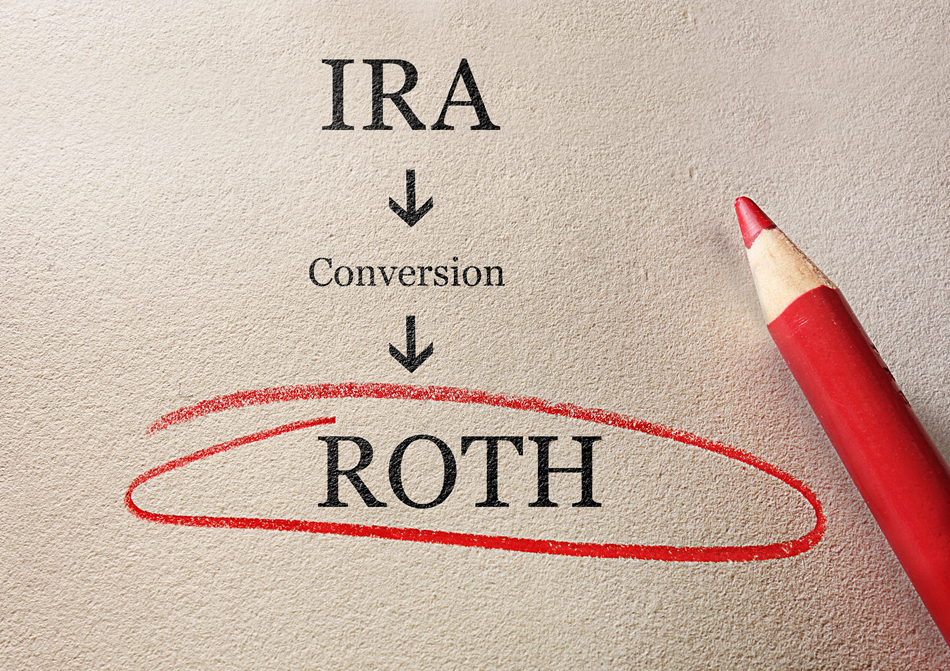
    Unlike a traditional IRA or 401(k), where contributions are tax-deductible today but withdrawals are taxed later, the Roth flips the script. You contribute money you’ve already paid taxes on, but from that moment forward, every dollar of growth inside the Roth is tax-free. That means dividends, capital gains, and compound growth all accumulate without the drag of annual taxes.

    When you withdraw funds in retirement (as long as the account has been open for at least five years and you’re over 59½), those distributions are completely tax-free. Imagine turning decades of investment growth into a reliable, untaxed income stream — that’s the Roth advantage.

    The earlier you start, the more powerful the Roth becomes. Consider an investor who contributes $6,000 per year for 30 years. At a modest 7% annual growth rate, that account grows to nearly $600,000. In a traditional IRA, Uncle Sam would take a portion of every distribution. In a Roth, it’s all yours. Over time, that difference can mean tens — even hundreds — of thousands of extra dollars in your pocket.

    Many people don’t realize that Roth IRAs also provide a degree of flexibility. Contributions (not earnings) can be withdrawn at any time without penalty. That makes the Roth not only a retirement powerhouse but also a back-up emergency fund. For business owners and professionals managing unpredictable income, this can be a helpful feature.

    Who benefits most?
    – Young professionals: The earlier you start, the greater the compounding power.
    – Business owners: With fluctuating income, Roth contributions can stabilize future wealth.
    – High earners: Even if you exceed Roth income limits, strategies like the ‘backdoor Roth’ make it possible.

    At UCS Financial Services, we don’t see the Roth IRA as a standalone account. It’s part of a broader Smart Tax Wealth system, where the Roth works in concert with Trusts and LLCs. This three-part framework helps you grow assets tax-free (Roth), protect them from lawsuits (LLC), and pass them on seamlessly (Trust).

    The Roth IRA isn’t just another retirement account. It’s a strategy that can reshape your financial future, giving you more control, more security, and more freedom.

    👉 Ready to put the Roth to work for you? Download our Free Smart Tax Wealth Guide and see how it fits into the bigger picture of building and protecting your wealth.

    UCS Financial Services
    Wealth Done Right • (866) 745-2295. This page is for educational purposes only and does not constitute legal or tax advice. Consult your professional advisors before implementing any strategy.